
Shikakai vs Reetha for Hair-Care Formulations
How shikakai and reetha powders differ as raw materials for herbal shampoo and hair-cleanser manufacturing, and why most formulators buy them together with amla.
Two cleansing botanicals, different roles
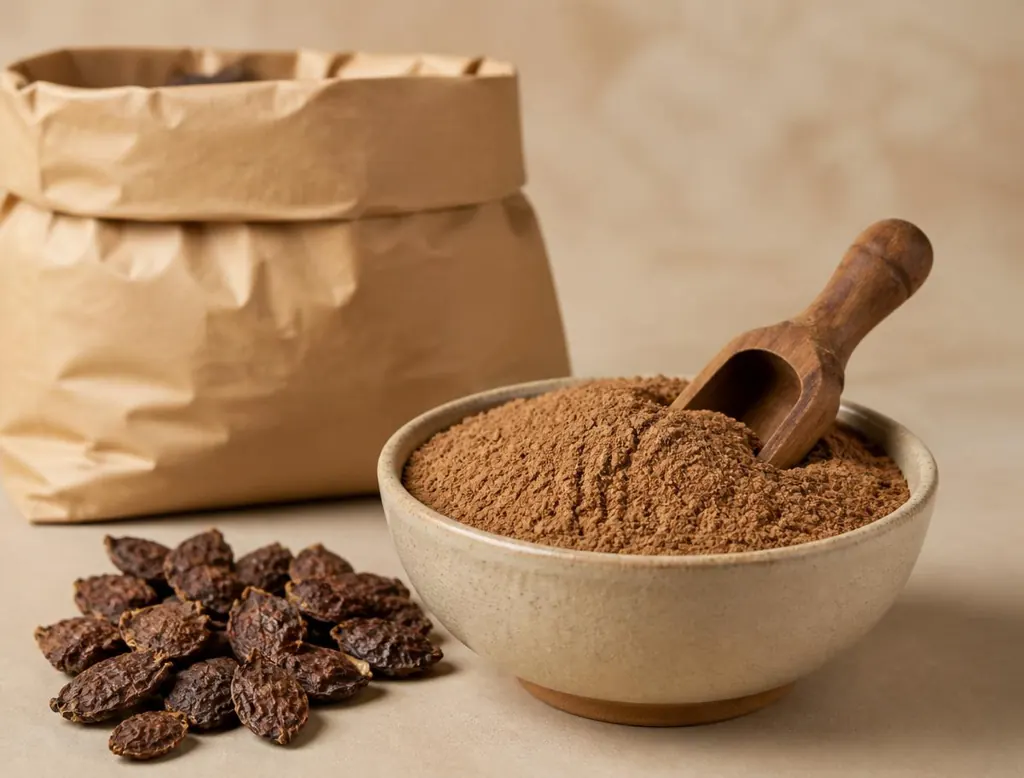
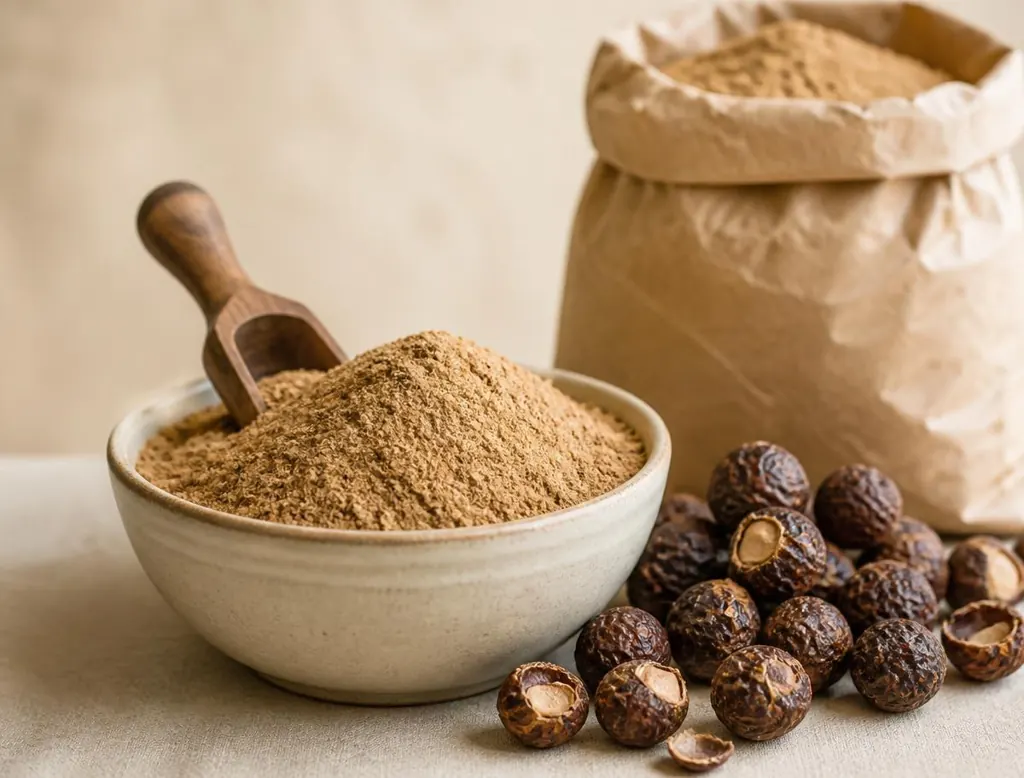
Reetha (soapnut, Sapindus mukorossi) is valued in traditional formulations for its natural saponin content and foaming character. Shikakai (Acacia concinna) pods are used for their mild cleansing and conditioning feel. Formulators commonly combine them rather than choose one.
Buying them together
Hair-powder and herbal-shampoo makers typically purchase shikakai, reetha and amla on the same order, often with hibiscus or bhringraj. Consolidating these on one enquiry simplifies freight and usually improves the overall rate.
Specification points
Agree mesh size (finer for powders sold as-is, coarser for decoction or extraction), colour range and packing. Reetha powder can irritate eyes and nose during handling, so dust control at your plant is worth planning.
Buying in larger quantities?
Ask us for a customised trade quotation, or compare rates on the wholesale price list.
Products in this guide
Ayurvedic Powders
Shikakai Powder
Indicative Bulk Price
₹225/kg
Special trade pricing available for higher quantities.
- MOQ
- 50 kg
- Supply
- Pan-India
Ayurvedic Powders
Reetha Powder
Indicative Bulk Price
₹145/kg
Special trade pricing available for higher quantities.
- MOQ
- 50 kg
- Supply
- Pan-India
Ayurvedic Powders
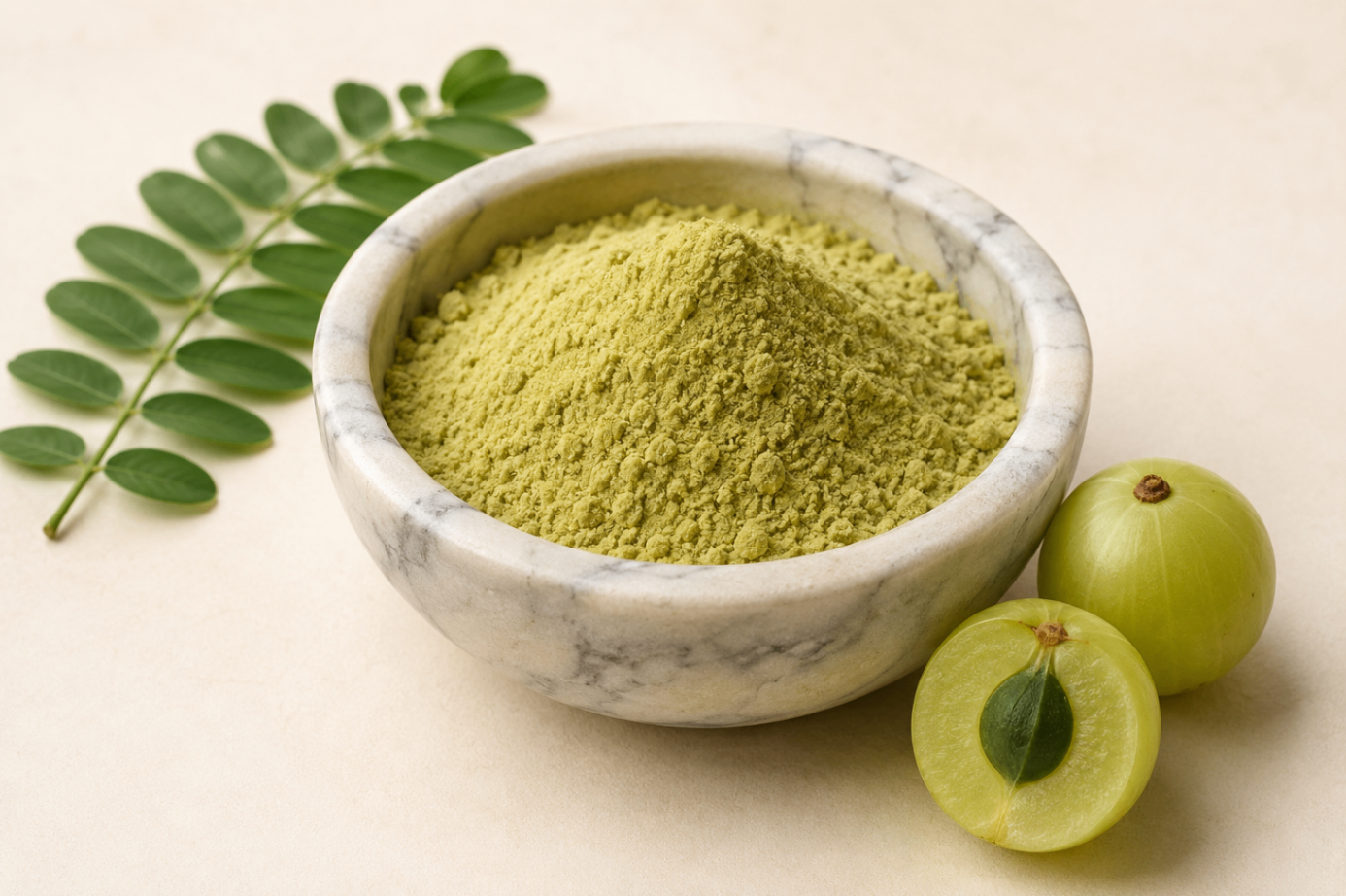
Amla Powder
Indicative Bulk Price
₹165/kg
Special trade pricing available for higher quantities.
- MOQ
- 50 kg
- Supply
- Pan-India
Ayurvedic Powders
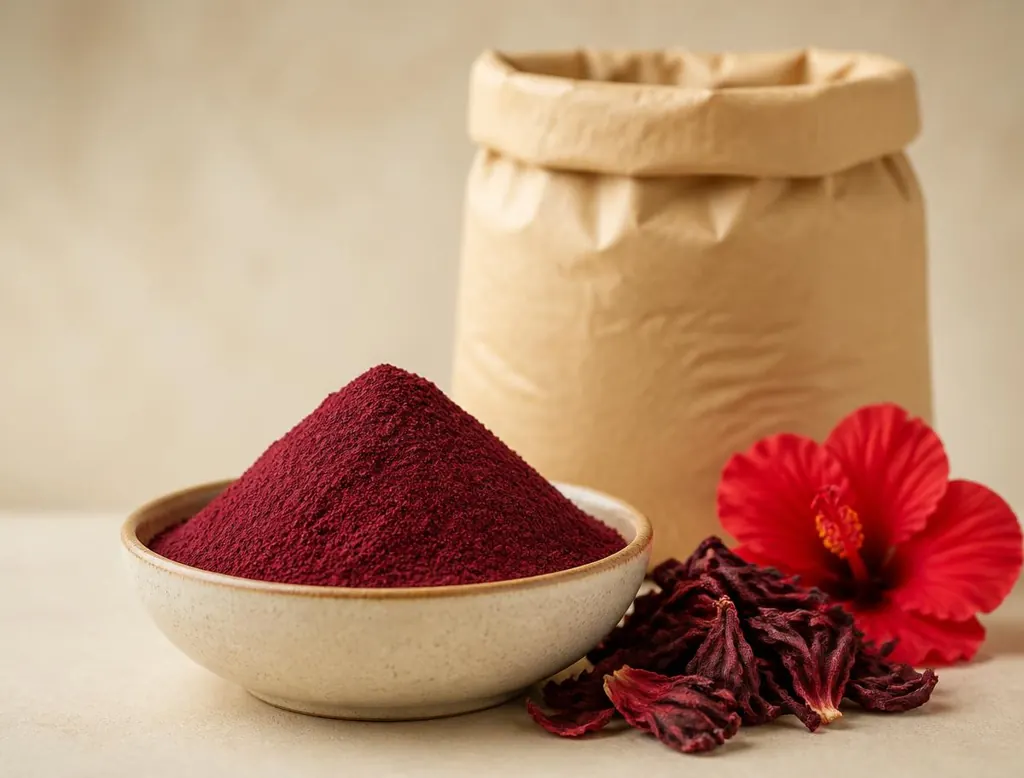
Hibiscus Flower Powder
Indicative Bulk Price
₹420/kg
Special trade pricing available for higher quantities.
- MOQ
- 50 kg
- Supply
- Pan-India